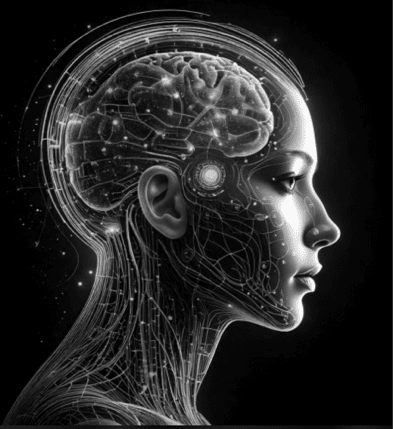
Introduction: AI is Revolutionizing Marketing
Artificial Intelligence (AI) is no longer a futuristic concept—it's a game-changer in marketing today. From personalized recommendations to predictive analytics and chatbots, AI is reshaping how businesses connect with customers.
In this blog, we’ll explore how AI is transforming marketing, the latest trends, and how businesses can leverage AI to drive growth in 2025 and beyond.
1. Personalized Customer Experience: The AI Advantage
Consumers expect hyper-personalization. AI enables businesses to deliver tailored experiences that keep customers engaged.
1.1 How AI Enhances Personalization
- Dynamic Content: AI adjusts content based on user behavior in real-time.
- Predictive Recommendations: AI suggests products, blogs, and services users are most likely to engage with.
- Email Personalization: AI customizes subject lines, content, and send times for better open rates.
AI-driven personalization can boost conversion rates by over 20%.
1.2 Real-World Example
Netflix and Amazon use AI-powered algorithms to predict what users want and increase engagement.
2. AI-Powered Chatbots & Virtual Assistants
AI chatbots provide instant customer support, automate conversations, and improve user engagement.
2.1 Benefits of AI Chatbots
- 24/7 Availability: AI never sleeps—your business is always accessible.
- Instant Query Resolution: Customers get quick responses without waiting.
- Cost-Effective: Reduces the need for large customer support teams.
AI chatbots can handle 80% of routine customer inquiries, freeing up human agents for complex issues.
2.2 How to Implement AI Chatbots
- Use NLP (Natural Language Processing) for human-like interactions.
- Train bots with customer FAQs and real conversations.
- Integrate with CRM and support systems for better customer experience.
3. AI-Driven Content Creation & Optimization
AI is changing how brands create and distribute content.
3.1 AI in Content Marketing
- Content Generation: AI tools like ChatGPT assist in blog writing, ad copy, and social media posts.
- SEO Optimization: AI analyzes keywords, search intent, and readability for better rankings.
- Automated Video & Image Creation: AI-powered tools generate custom graphics and videos.
AI-assisted content is helping brands scale faster and improve engagement.
3.2 How to Use AI in Content Marketing
- Use AI to analyze trending topics and user behavior.
- Optimize content with AI-driven SEO tools.
- Create AI-generated videos with voiceovers and subtitles.
4. AI & Predictive Analytics: Data-Driven Decision Making
AI helps marketers predict trends, customer behavior, and campaign performance.
4.1 How Predictive Analytics Works
- Customer Insights: AI analyzes past behavior to predict future actions.
- Sales Forecasting: AI forecasts demand and revenue trends.
- Ad Targeting: AI optimizes audiences, budgets, and bidding strategies.
AI-driven analytics improve campaign performance by up to 50%.
4.2 How to Use Predictive Analytics
- Integrate AI with Google Analytics, CRM, and ad platforms.
- Use AI models to segment audiences and improve targeting.
- Adjust marketing strategies based on AI insights and A/B testing.
5. AI in Email Marketing: Smarter Campaigns, Higher Engagement
Email marketing remains one of the most profitable channels, and AI makes it even better.
5.1 AI-Powered Email Optimization
- Personalized Subject Lines & Content: AI writes customized messages based on user preferences.
- Best Send Time Prediction: AI determines optimal email delivery times for higher open rates.
- Automated Segmentation: AI groups customers based on interests, behavior, and engagement levels.
AI-optimized emails improve open rates by over 30%.
5.2 How to Use AI in Email Marketing
- Use AI-powered tools like HubSpot, Mailchimp, and ActiveCampaign.
- A/B test subject lines, content, and CTA placements.
- Automate follow-up sequences based on user behavior.
6. AI & Programmatic Advertising: Smarter Ad Spend
AI takes the guesswork out of ad targeting, helping businesses maximize ROI on digital campaigns.
6.1 How AI Enhances Digital Advertising
- Automated Bidding: AI adjusts ad bids in real-time to maximize performance.
- Audience Targeting: AI finds high-converting users based on behavioral data.
- Ad Creative Optimization: AI tests different ad copies, images, and CTAs.
AI-driven ads can increase conversion rates by 40% while reducing ad spend.
6.2 How to Leverage AI for Ads
- Use AI-driven ad platforms like Google Ads Smart Bidding.
- Analyze campaign data and adjust in real-time.
- Experiment with AI-powered dynamic creatives.
7. AI & Social Media Marketing: Smarter Engagement
AI is reshaping how brands interact with audiences on social media.
7.1 AI-Driven Social Strategies
- Automated Content Scheduling: AI suggests best times to post.
- Sentiment Analysis: AI detects customer emotions and feedback.
- Chatbots for Social Media: AI-powered bots handle customer inquiries and support.
AI-powered social media tools increase engagement rates by over 25%.
7.2 How to Use AI in Social Media
- Use AI-driven tools like Hootsuite, Sprout Social, and Buffer.
- Monitor brand mentions and analyze customer sentiment.
- Automate chatbot responses and personalized messages.
Conclusion: The Future of AI in Marketing
AI is not replacing marketers, but enhancing their capabilities. Businesses that embrace AI-driven marketing strategies will have a competitive edge in 2025.
Key Takeaways:
- Personalized marketing powered by AI will drive higher engagement.
- AI-driven analytics will help brands make smarter decisions.
- Automated ad targeting and programmatic advertising will maximize ROI.
- AI chatbots and virtual assistants will improve customer interactions.
Ready to integrate AI into your marketing strategy? Let’s talk!
Contact FutureAge today and stay ahead in the AI-powered marketing era!